What Happens in a Smart Factory Reality Check

Many factory owners know that something is wrong. Output is lower than planned, overtime is high, deliveries are late, and margins are shrinking. But they do not know exactly where the money is lost, or what to fix first.
The Smart Factory Reality Check answers these two questions.
How it works
The Reality Check takes three days on site in your factory. It combines three things:
GEMBA walks. I walk the floor, from cutting to sewing to finishing and packing, and observe through four lenses: Machines, People, Process and Product.
Structured diagnostics. A detailed assessment framework covers process, leadership, technology and systems, organisation, metrics, IT, compensation, improvement structures and change management.
Conversations. With owners, management, supervisors and operators. The people closest to the work usually know where the problems are.
What you get
A digital maturity map: where your factory stands today, area by area.
A hidden-loss analysis: where minutes, material and money disappear.
A prioritized 90-day action plan: what to fix first, and why.
A Smart Factory roadmap: the longer path, step by step.
An ROI-based priority list: which investments pay back, and which can wait.
Who it is for
Owners, CEOs and COOs of apparel and textile factories who want to compete on productivity, not on low wages. I work mainly with factories in India, Bangladesh, Sri Lanka and Pakistan, and have also advised in Morocco and Vietnam.
What it is not
It is not a software sales pitch. I do not sell machines or systems. I start with reality: where flow breaks, where decisions are delayed, where waste hides and where money is lost. Technology comes after that, and only where it pays.
How to start
Write to info@joachimhensch.com or book a call. Engagements are planned three to six months in advance, so it is worth starting the conversation early.
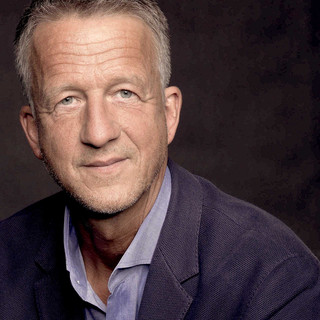
About the author. Joachim Hensch started a tailoring apprenticeship in 1984 and qualified as a master tailor in 1990, with the best result in Germany that year. He then moved into industry and spent 25 years at HUGO BOSS, his last role being Managing Director of the HUGO BOSS factory in Izmir, Turkey, with more than 4,100 people. He was global President of the International Association of Clothing Designers and Executives (IACDE) until 2014. In 2021 he founded Joachim Hensch Consulting, a Smart Factory advisory firm for apparel and textile manufacturers.


Comments